What Is Pantry Tracking and How Does It Save You Money?
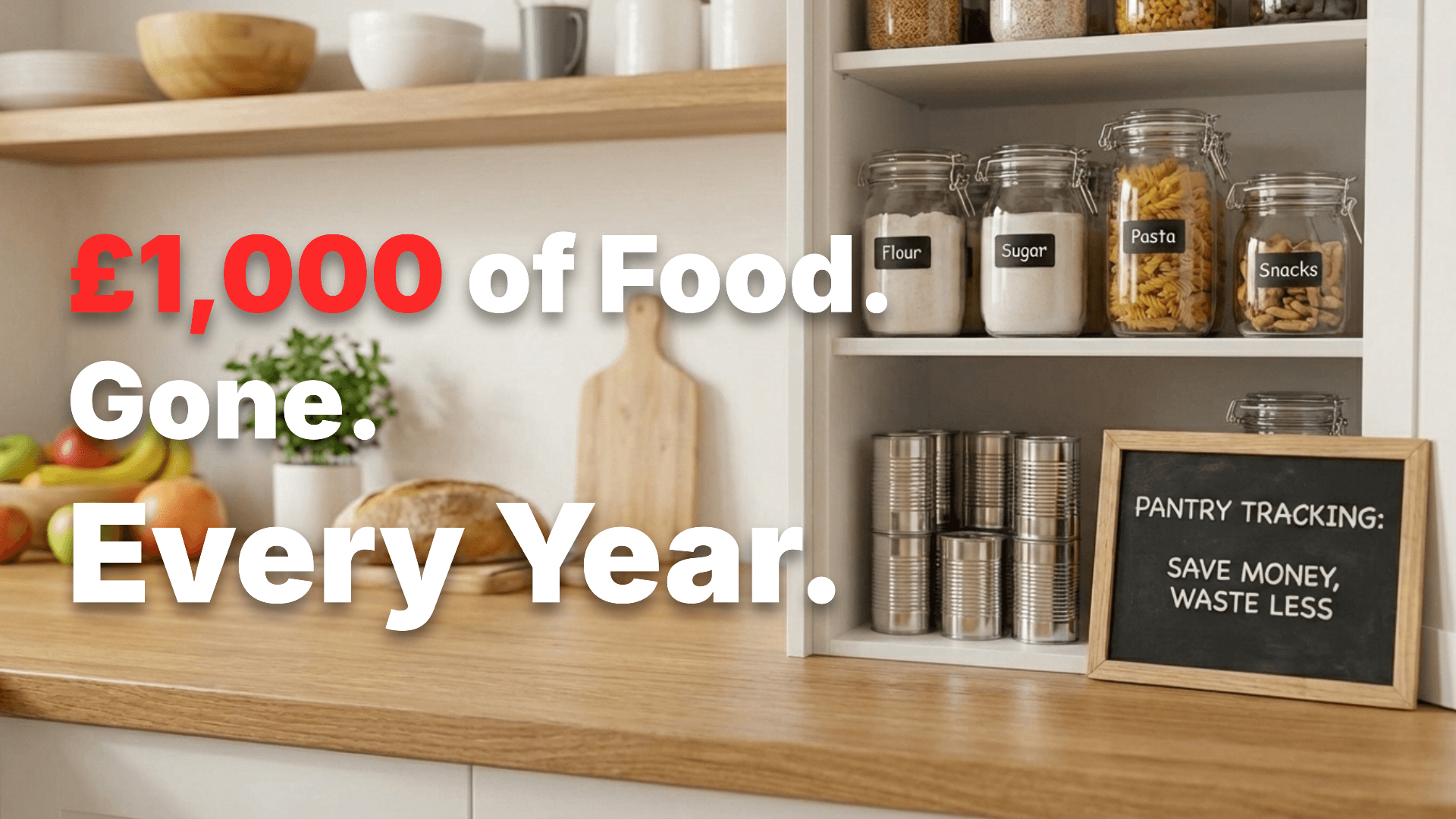
Pantry tracking is the practice of keeping a record of the food you have at home so you know exactly what is in your cupboards, fridge and freezer at any given time. It helps you avoid buying food you already own, use up items before they expire and plan meals around ingredients you have in stock.
Whether you use a notebook, a spreadsheet or a dedicated pantry tracker app like Foodat, the goal is the same: spend less, waste less and feel more in control of your kitchen.Why Pantry Tracking Matters in 2026
UK households throw away around 6 million tonnes of food every year, according to WRAP. That includes 4.4 million tonnes of food that was perfectly edible. The average family of four loses roughly £1,000 a year to food that ends up in the bin.
Nearly 40 percent of that waste happens simply because food was not used in time. It went past its date label, started to look or smell off, or was forgotten at the back of a shelf.
Pantry tracking directly tackles this problem. When you can see what you have and when it expires, you make better decisions about what to cook and what to buy next.
How Does a Pantry Tracker App Work?
A pantry tracker app is a digital tool that stores a list of everything in your kitchen. Most apps let you add items by scanning a barcode or a receipt, and then they track quantities and expiry dates for you.
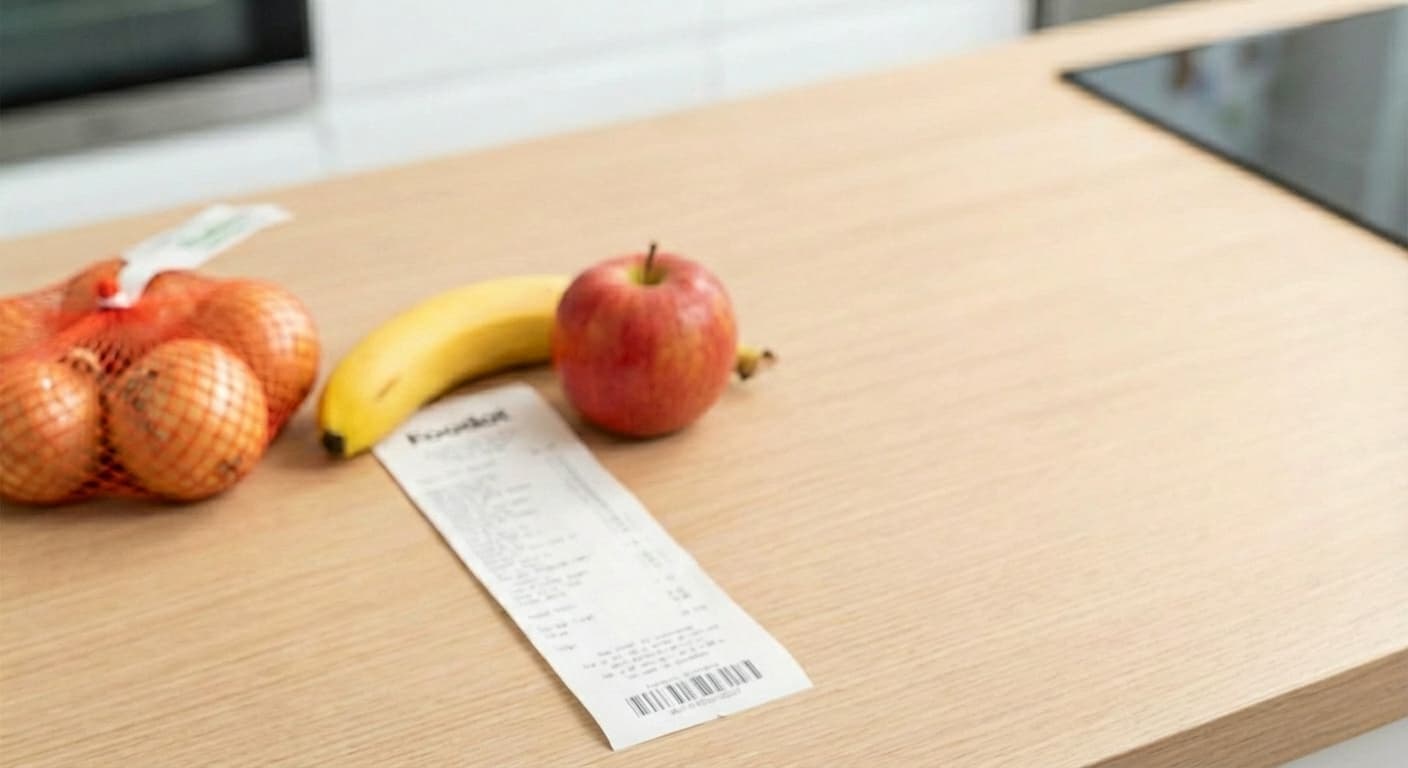
With Foodat, for example, you can photograph a grocery receipt and the app automatically adds each item to your pantry inventory. It sends expiry reminders before food goes to waste and generates smart shopping lists based on what is running low.
This means you always have an up to date picture of your kitchen without needing to check every shelf manually.
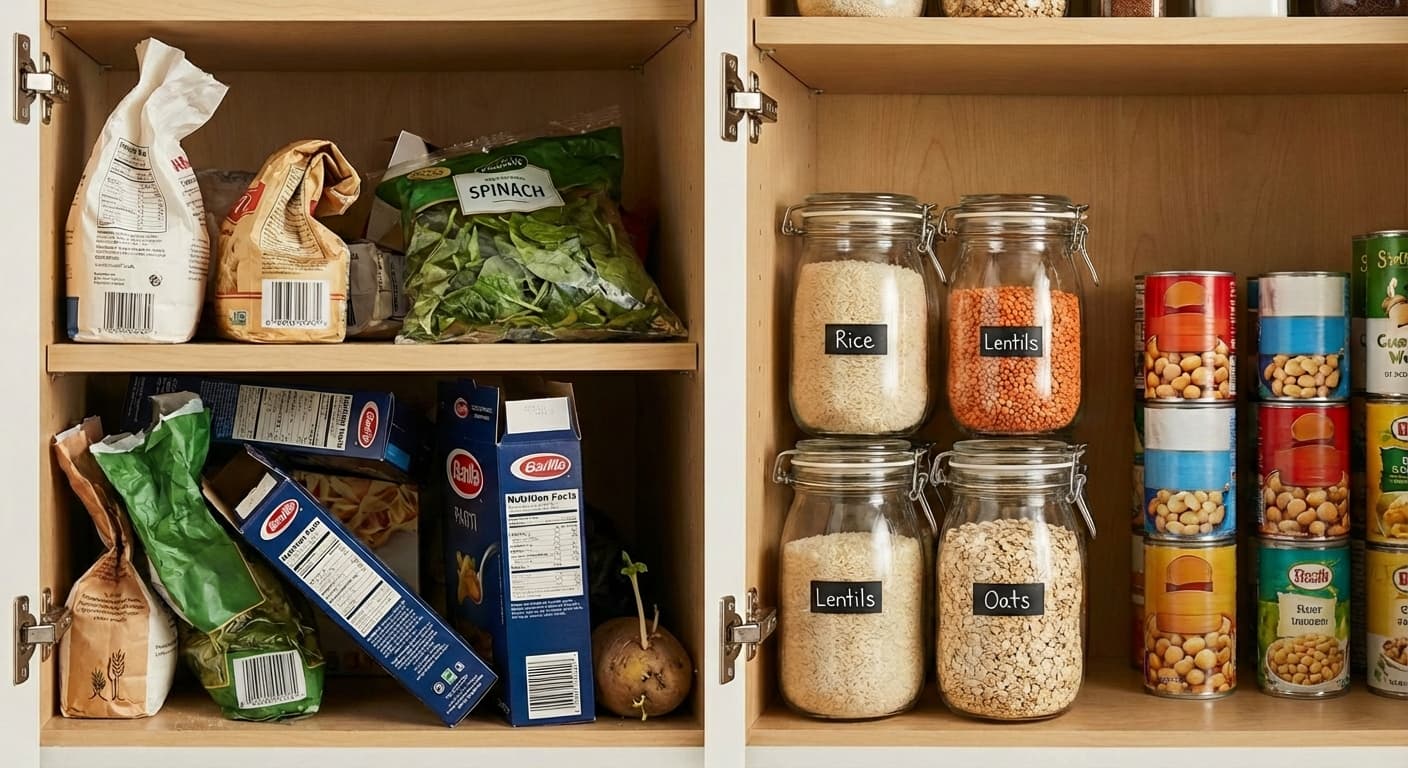
Pantry tracking is useful for almost anyone who buys and cooks food at home. That said, it is especially helpful if you fall into one of these groups.
Families on a budget. When grocery prices are high, knowing what you already have stops you from overbuying and helps you stretch your weekly shop further.
People who batch cook or meal prep. If you cook in bulk, pantry tracking helps you keep on top of what is in the freezer and plan meals around those portions.
Households trying to reduce food waste. If sustainability matters to you, tracking your pantry is one of the simplest everyday changes you can make.
Students and first time renters. Learning to manage a kitchen for the first time is much easier when you have a clear list of what you own and what needs using up.
Shared houses and flatmates. When more than one person uses the same kitchen, a shared pantry tracker removes confusion about who bought what and what is still available.
What Can You Track in a Pantry Inventory?
A pantry inventory can include anything you store in your kitchen. Common categories include:
- Tins, jars and canned goods
- Dried pasta, rice and grains
- Spices, seasonings and condiments
- Fresh fruit and vegetables
- Dairy, eggs and chilled items
- Frozen meals, leftovers and batch cooked portions
- Baking ingredients like flour, sugar and yeast
- Snacks and drinks
The more complete your inventory, the more accurate your shopping list becomes. You do not need to track every single item from day one though. Starting with the things you buy most often is enough to see a difference.
There are several ways that tracking your pantry leads to genuine savings.
Fewer duplicate purchases. You stop buying tins of chopped tomatoes when three are already sitting in the cupboard.
Less food thrown away. Expiry reminders help you use items before they spoil, so you get full value from every purchase.
Smarter meal planning. When you can see what you have, you plan meals around existing ingredients rather than buying an entirely new set of shopping each week.
Better use of offers and bulk buys. You know exactly what you are running low on, so you can stock up confidently when something is on offer rather than guessing.
Reduced impulse spending. Shopping with a list based on real stock levels keeps you focused and less likely to add unnecessary items to your basket.
Over the course of a year, these small changes add up to a meaningful reduction in what you spend on food.
Pantry Tracking vs Meal Planning: What Is the Difference?
Pantry tracking and meal planning are closely related, but they are not the same thing.
Pantry tracking is about knowing what food you have. Meal planning is about deciding what you will cook.
The two work best together. When you start your meal plan by reviewing your pantry inventory, you build meals around ingredients that need using first. This reduces waste and means your shopping list only includes what is genuinely missing.
Without pantry tracking, meal planning often leads to buying full sets of ingredients each week, even when half of them are already in the kitchen.
How to Choose the Best Pantry Tracker App
If you are looking for a pantry tracker app, there are a few things worth considering.
Ease of use. The app should be quick to update. If adding items takes too long, you will stop using it.
Receipt or barcode scanning. Being able to scan items in rather than typing everything manually saves a lot of time.
Expiry date reminders. Notifications before food goes off are one of the most valuable features for cutting waste.
Smart shopping lists. An app that generates your shopping list from your current stock levels removes the guesswork from your weekly shop.
Household sharing. If more than one person does the cooking or shopping, look for an app that lets multiple users access the same inventory.
Foodat is built with all of these features in mind. It is designed specifically for pantry tracking, with a receipt scanner, expiry alerts and smart shopping lists that work together to simplify how you manage food at home.
Common Questions About Pantry Tracking
Is pantry tracking worth the effort? Yes. Most people find that even ten minutes a week spent updating their pantry inventory saves them time, money and stress throughout the rest of the week.
Do I need an app to track my pantry? No. You can use a notebook or a spreadsheet. However, an app makes the process faster and more reliable, especially when it comes to expiry reminders and shopping lists.
How often should I update my pantry inventory? A quick update after each shopping trip and a brief weekly review is enough for most households.
Can pantry tracking help with dietary goals? It can. When you have a clear view of what is in your kitchen, it is easier to plan balanced meals and avoid relying on last minute takeaways.
What if I forget to update it? That is completely normal when you are starting out. The key is consistency over time. Even a partially updated inventory is more useful than none at all.
Start Tracking Your Pantry Today
Pantry tracking does not need to be complicated. It is simply about building a small habit that gives you more visibility over the food in your home.
Once you can see what you have, you shop smarter, cook with more confidence and waste far less. Over time, it becomes a natural part of how you run your kitchen rather than an extra task.
If you want to make it even easier, Foodat handles the heavy lifting for you. Scan your receipts, get expiry reminders and let the app build your shopping list from your real stock levels. It is pantry tracking made simple.